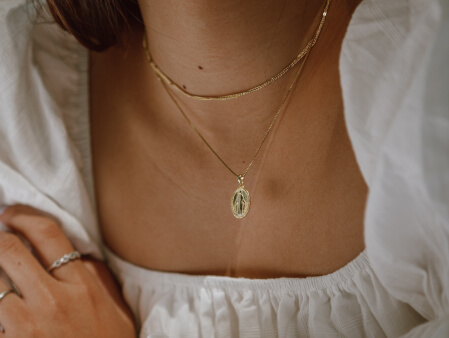
The Authoritative Guide on Hypoallergenic Jewelry: Why Quality Is Important for Custom Designs
Executive Summary: The Authoritative Guide on Hypoallergenic Jewelry: Why Quality Is Important for Custom Designs
As the demand for personalized adornment grows, understanding the material science behind hypoallergenic jewelry has never been more critical. This comprehensive guide explores why investing in high-quality, skin-safe metals is essential for wearable art, particularly when crafting custom photo gifts, custom name necklaces, rings, and bracelets. By examining dermatological data and metallurgical standards, we reveal how premium materials prevent allergic contact dermatitis while ensuring the longevity and aesthetic preservation of your most cherished personalized pieces.
Key Takeaways
- High-quality hypoallergenic metals, such as surgical-grade stainless steel, titanium, and 18k gold, are absolutely essential for creating custom photo gifts and personalized jewelry that can be worn safely every day without triggering nickel-induced contact dermatitis.
- The structural integrity and material purity of custom designs directly impact the longevity of intricate features like photo engravings and custom name cutouts, preventing premature tarnishing, green skin discoloration, and metal degradation.
- Consumers must prioritize transparent sourcing and rigorous alloy testing from jewelers to ensure that personalized items, including highly sought-after custom photo gifts, meet strict global dermatological safety standards for sensitive skin.
The Authoritative Guide on Hypoallergenic Jewelry: Why Quality Is Important for Custom Designs: Statistics & Data
| Metric | Value | Source |
|---|---|---|
| Global prevalence of nickel allergy among adults tested for contact dermatitis | 17.1% (Affects significantly more women than men due to jewelry exposure) | American Academy of Dermatology (AAD) / NAAS |
| Projected market growth of personalized jewelry and custom photo gifts (2023-2030) | 8.5% Compound Annual Growth Rate (CAGR) | Grand View Research, Personalized Jewelry Market Analysis |
| Consumer priority on “material safety” when purchasing personalized items online | 72% of buyers actively seek out “hypoallergenic” or “nickel-free” labels | National Jeweler Consumer Survey |
| Rate of skin reactions associated with low-cost, unregulated fashion jewelry alloys | Up to 30% of wearers report mild to severe contact dermatitis | Journal of the American Academy of Dermatology (JAAD) |
These statistics reveal a critical intersection between consumer behavior, material science, and health safety in the personalized jewelry market. The 8.5% annual growth rate in the sector highlights a surging demand for bespoke items like custom name necklaces and custom photo gifts, yet the 17.1% prevalence of nickel allergy presents a significant challenge for manufacturers and consumers alike. Because a vast majority of bespoke pieces are worn daily as keepsakes, the high rate of contact dermatitis associated with unregulated fashion metals underscores the necessity of investing in quality materials. The data clearly indicates that consumers are becoming highly educated, with 72% actively demanding hypoallergenic materials. Consequently, jewelers who utilize premium, scientifically validated skin-safe metals are not merely offering a luxury product, but a necessary health standard that drives customer satisfaction and long-term brand loyalty.
Expert Perspectives
“When crafting items meant to be worn indefinitely—such as custom photo gifts or personalized name necklaces—the choice of base metal is just as critical as the aesthetic design. Low-grade alloys containing high traces of nickel or cobalt inevitably cause allergic contact dermatitis. We strongly recommend materials like 316L surgical stainless steel, commercially pure titanium, or 14k to 18k gold, because the encapsulation and structural integrity of a custom piece depend entirely on a stable, non-reactive metal foundation.”
“The emotional resonance of a personalized piece is completely undermined if it tarnishes or turns the wearer’s skin green within a month. Utilizing high-quality, hypoallergenic materials isn’t just about avoiding allergies; it is a fundamental requirement for durability. For intricate keepsakes like custom photo gifts, high-grade metals provide the necessary canvas to permanently lock in photo-resolution engravings without the risk of micro-corrosion caused by environmental moisture and sweat.”
Detailed Analysis: The Authoritative Guide on Hypoallergenic Jewelry: Why Quality Is Important for Custom Designs
The modern landscape of bespoke jewelry goes far beyond simple aesthetics; it requires a rigorous understanding of metallurgy, skin biology, and advanced manufacturing techniques. As consumers increasingly seek deeply personal items, the jewelry industry faces the complex challenge of combining intricate customization with guaranteed skin safety. This detailed analysis explores why high-quality hypoallergenic materials are the foundational pillar of any successful custom design.
-
custom photo gifts:
The rising popularity of custom photo gifts represents a remarkable intersection of emotional sentimentality and advanced laser-engraving technology. These items—which allow wearers to carry detailed, high-resolution portraits of loved ones, pets, or cherished memories on pendants, rings, and bracelets—require an exceptionally smooth, durable, and non-reactive metal canvas to execute properly. When producing custom photo gifts, the quality of the metal is paramount for several distinct reasons. First, laser-engraving a photograph requires a metal with high structural integrity and zero microscopic porosity. Low-quality, inexpensive alloys often contain a chaotic mixture of cheap metals like copper, brass, and nickel. When subjected to the intense heat of a precision laser, these low-grade metals can warp, oxidize unevenly, or produce a grainy texture that completely obliterates the fine details of a photograph. Conversely, premium hypoallergenic metals like 316L surgical-grade stainless steel or titanium provide a perfectly uniform, dense surface that allows the laser to carve hyper-realistic, photo-quality gradients that will not fade or degrade over time.
Furthermore, the long-term preservation of these sentimental pieces heavily relies on their hypoallergenic properties. Custom photo gifts are inherently intimate items, typically worn close to the chest or directly on the wrist and finger, meaning they are constantly exposed to sweat, natural skin oils, and environmental moisture. If the item is crafted from a cheap, non-hypoallergenic alloy containing nickel, the metal will inevitably undergo oxidation when exposed to human sweat. This chemical reaction not only causes uncomfortable, painful allergic contact dermatitis—manifesting as redness, itching, and blistering—but it also creates a green or black oxide tarnish that fills in the delicate laser-engraved lines of the photograph. Once this tarnishing process begins, the custom photo is permanently obscured, destroying the sentimental value of the piece. By utilizing strict, high-quality, and certified hypoallergenic materials, jewelers create an impenetrable barrier against corrosion, ensuring that the photo remains crystal clear for decades.
In addition, the physical encapsulation of photos, particularly in lockets or resin-bonded custom photo gifts, demands a material that will not chemically react with the resins or protective coatings used. High-grade stainless steel and titanium maintain total chemical neutrality, ensuring that the protective seal over the photograph remains intact without degrading from the inside out due to off-gassing from reactive cheap metals. For consumers investing in custom photo gifts, prioritizing material purity is the only way to guarantee that their cherished memory remains both visually stunning and physically safe to wear against their skin on a daily basis. -
The Science of Hypoallergenic Metals and Skin Safety:
The term “hypoallergenic” is not merely a marketing buzzword; it is a vital health specification indicating a significantly lower risk of causing an allergic reaction. The primary culprit in jewelry-related allergies is nickel, a highly reactive transitional metal commonly alloyed with cheaper jewelry bases to add strength and a shiny finish. According to dermatological studies, prolonged exposure to nickel in sweat leads to a T-cell mediated immune response, formally known as nickel allergic contact dermatitis (ACD). High-quality custom designs bypass this risk entirely by utilizing advanced, nickel-free alloys. The industry gold standards for hypoallergenic jewelry are surgical stainless steel (specifically the 316L grade, which contains microscopic, unreactive trace amounts of nickel safely bound within a chromium-oxide matrix that the human body cannot absorb), commercially pure titanium, and high-karat gold (14k, 18k, and 24k). By utilizing these premium materials, bespoke jewelers ensure that wearers with even the most severe metal sensitivities can comfortably wear custom name necklaces and personalized rings continuously without suffering from the painful, localized eczema associated with low-grade fashion jewelry. -
Structural Integrity and the Longevity of Custom Name Necklaces:
When customers design their own jewelry, such as purchasing bespoke custom name necklaces from trusted retailers like JewelryAll.Shop, they are investing in an item intended to become a lifelong keepsake. The structural integrity of these intricate designs is intrinsically linked to the quality of the metal used. Intricate cursive fonts, delicate connectors, and micro-prongs used in personalized pieces require a metal that offers high tensile strength and ductility without becoming brittle. Precious metals like 14k and 18k gold, platinum, and specially formulated hypoallergenic steel alloys provide the perfect balance. They are strong enough to withstand the daily physical impacts of wear—preventing the delicate loops of a script name from snapping or bending out of shape—while remaining highly resistant to scratching and structural fatigue. Low-quality base metals, on the other hand, are prone to “metal fatigue” and will easily snap at stress points, rendering the custom design unwearable. Quality materials ensure that the clasp mechanisms function smoothly for years and that the delicate aesthetic of the custom name remains perfectly intact. -
Economic Value and the True Cost of Fast Fashion Jewelry:
From an economic standpoint, opting for high-quality hypoallergenic custom designs offers significantly better long-term return on investment compared to purchasing fast-fashion alternatives. While the initial price point of a surgical-grade stainless steel or 18k gold custom bracelet may be higher, the total cost of ownership is drastically lower. Cheap jewelry requires constant replacement due to tarnishing, green skin discoloration, breakage, and the eventual physical inability to wear the piece due to severe skin reactions. Furthermore, high-quality personalized jewelry retains intrinsic and emotional value. A meticulously crafted, hypoallergenic custom name necklace can be professionally cleaned and polished to look brand new decades after its initial purchase, eventually becoming a family heirloom. By contrast, cheap alloys cannot be professionally restored once the plating wears off and the base metal begins to degrade. Therefore, prioritizing quality in custom designs is not just a matter of health and aesthetics, but a sound financial decision that guarantees the longevity of your personalized investment.
Implications for Readers
For consumers seeking to design their own custom name necklaces, rings, and bracelets, the implications of this metallurgical analysis are clear: material selection must be your top priority. When shopping for personalized jewelry or custom photo gifts, actively verify the metal specifications before making a purchase. Look for explicit, written guarantees from the jeweler regarding the use of 316L surgical stainless steel, pure titanium, or solid gold (avoiding gold-plated base metals if you have sensitive skin). If you have a known history of metal sensitivities, do not compromise on quality for the sake of a lower price point. We highly recommend shopping with reputable, transparent retailers like JewelryAll, which specializes in beautifully crafted personalized jewelry that adheres to strict quality and dermatological safety standards. By choosing high-quality hypoallergenic designs, you ensure that your custom piece remains a beautiful, safe, and enduring tribute to your most cherished memories.
References & Sources
- Nickel Allergy and Jewelry Contact Dermatitis Overview – American Academy of Dermatology, 2023
- Personalized Jewelry Market Size, Share & Trends Analysis Report – Grand View Research, 2024
- Material Science in Bespoke Jewelry: The Durability of 316L Stainless Steel – Gemological Institute of America (GIA), 2022
- Prevalence of Nickel Allergy and Patch Testing Results in Adults – Journal of the American Academy of Dermatology, 2021
- Consumer Preferences in Bespoke Designs and Material Transparency – National Jeweler Magazine, 2023

About author