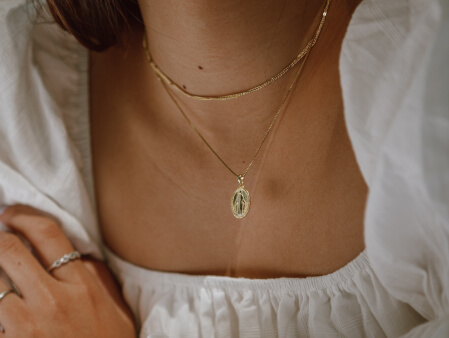
Why is some ring stains ? Causes discussed
Quick Answer
Some rings leave stains on your skin due to a chemical reaction between the ring’s metal and your skin’s natural oils, acids, or beauty products. Metals like copper and nickel oxidize, creating green or black marks. This is completely normal and usually harmless.
What is valentine’s day gifts in relation to Why is some ring stains ? Causes discussed ?
Key Takeaway: Understanding why rings cause skin stains helps you choose high-quality, skin-safe valentine’s day gifts, ensuring your romantic gesture remains a cherished, irritation-free symbol of love.
Welcome to the ultimate guide on understanding jewelry skin reactions. When we think of the perfect valentine’s day gifts, we often picture a beautiful ring presented in a velvet box. However, sometimes that dream gift leaves an unwelcome surprise: a dark green or black stain on the finger. Why does this happen, and what does it mean for your holiday shopping? Let’s dive deep into the science, the solutions, and how to pick the best jewelry for your loved ones.
The Science Behind the Stains: Chemical Reactions
To understand why some rings leave stains, we have to look at basic chemistry. Your skin is naturally slightly acidic. It produces sweat and sebum (natural oils) every day. When certain metals come into contact with these acids, along with the beauty products you wear like lotion, soap, or perfume, a chemical reaction occurs. This process is called oxidation.
For example, many affordable rings are made with a base metal mixed with copper. When copper reacts with oxygen and the acids in your skin, it forms copper salts. These salts are naturally green or blue-green. When they rub off on your skin, they leave that infamous green ring. Rest assured, this is just a cosmetic issue and is not toxic or harmful to your health.
Common Culprits: Which Metals Cause Stains?
Not all metals are created equal. When shopping for valentine’s day gifts, knowing the metal composition is key to avoiding skin stains.
- Copper: As mentioned, copper is the number one cause of green skin. It is often used as an alloy in cheaper jewelry to add strength.
- Nickel: Nickel is another common alloy. While it might not turn your skin green, it is a leading cause of contact dermatitis. It can leave a dark, blackish stain and cause itchy, red skin. Nickel allergies are incredibly common, affecting millions of people worldwide.
- Sterling Silver: Authentic 925 sterling silver is generally safe. However, sterling silver is 92.5% silver and 7.5% other metals (usually copper). If you wear a sterling silver ring while washing dishes or sweating at the gym, the copper in the alloy can oxidize and leave a dark mark. Additionally, silver tarnishes over time, and that black tarnish can rub off on your skin.
- Gold Plating: Solid gold (like 14k or 18k) rarely causes stains. But gold-plated or gold-filled rings are different. They have a thin layer of gold over a base metal like brass or copper. Over time, the gold layer wears down from friction. Once the base metal is exposed to your skin, it will begin to leave stains.
The Moisture and Environment Factor
Have you ever noticed that a ring only leaves a stain in the summer, or after you wash your hands? Moisture is the ultimate catalyst for oxidation. When water gets trapped under a ring, it creates a perfect environment for the metal to react with your skin. This is why it is highly recommended to take off your rings before doing dishes, going swimming (chlorine reacts aggressively with metals), or hitting the gym.
Preventing Ring Stains: Actionable Advice
You don’t have to give up wearing beautiful rings just because of a little chemistry. Here are some proven ways to prevent those pesky stains:
- Keep it Dry: Always remove your rings before washing your hands, showering, or applying lotions. Let your moisturizer fully absorb before putting your ring back on.
- The Clear Polish Trick: If you have a favorite ring that turns your finger green, paint the inside of the band with a thin coat of clear nail polish. This creates a temporary barrier between the metal and your skin. You will need to reapply it every few weeks.
- Clean Your Jewelry: Regularly clean your rings with a soft jewelry cloth to remove built-up tarnish before it can rub off on your skin.
Why Choosing the Right Valentine’s Day Gifts Matters
Valentine’s Day is a time for romance, surprises, and expressing deep affection. Whether you are shopping for a brand-new partner or a lifelong spouse, jewelry remains one of the most popular valentine’s day gifts. But the magic of the moment can quickly fade if your partner wakes up the next day with an itchy, green ring finger.
By understanding why some rings leave stains, you can make informed, educated decisions when shopping for fine jewelry. You want your gift to be a symbol of pure love, not a science experiment on their skin.
Opting for Personalized and Skin-Safe Jewelry
When looking for the ultimate romantic gesture, personalized jewelry is a phenomenal choice. Designing a custom name necklace, a monogrammed bracelet, or an engraved ring shows an incredible level of thought and care. But personalization isn’t just about the design; it is about the material choice, too.
At JewelryAll, we believe that personalized jewelry should be worn comfortably every single day. Because customized pieces are highly sentimental, they are often worn constantly. Therefore, selecting high-quality materials is paramount.
To ensure your valentine’s day gifts are as skin-safe as they are beautiful, look for the following options:
- High-Karat Gold: 14k and 18k gold contain very little copper. The higher the karat, the purer the gold, and the less likely it is to cause any skin discoloration.
- Platinum: This premium metal is incredibly durable, resists tarnishing completely, and is 100% hypoallergenic, making it perfect for people with severe metal sensitivities.
- Rhodium-Plated Sterling Silver: Rhodium is a precious metal that does not tarnish. When sterling silver is plated with rhodium, it prevents the silver from oxidizing and keeps your skin totally clean.
- Titanium and Surgical Steel: If your partner has hyper-sensitive skin, these industrial metals are highly recommended. They do not react with oxygen or skin acids, guaranteeing a stain-free experience.
What to Do If You Already Have a Stain
If a piece of jewelry has already left a mark on your skin, do not panic. These stains are strictly superficial. You can easily wash them off using warm water, soap, and a washcloth. For tougher dark marks, a cotton swab dipped in a tiny amount of rubbing alcohol or makeup remover will do the trick. If your skin feels itchy due to a mild nickel allergy, an over-the-counter hydrocortisone cream will quickly soothe the irritation.
Why does valentine’s day gifts matter for readers?
Understanding why rings leave stains is crucial when shopping for Valentine’s Day gifts. Nothing ruins a romantic surprise faster than a beautiful ring that turns your partner’s finger green. By knowing the causes of jewelry oxidation, you can confidently choose high-quality, skin-safe Valentine’s Day gifts. Opting for fine materials ensures that your thoughtful, personalized present remains a comfortable, cherished keepsake that can be worn every day without worry.
Frequently Asked Questions
What is valentine’s day gifts in relation to Why is some ring stains ? Causes discussed ?
When shopping for Valentine’s Day gifts, it is vital to understand why rings leave stains. Choosing cheap metals can cause green or black finger marks due to oxidation. By learning about these causes, you can confidently pick high-quality Valentine’s Day gifts that your loved one can wear comfortably and safely.

About author