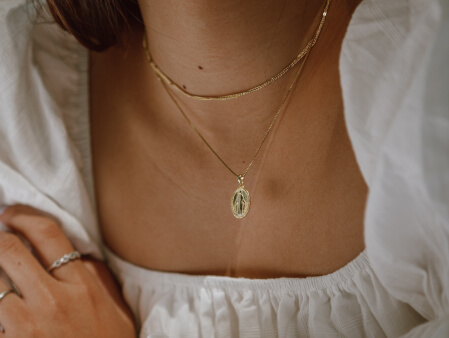
Hypoallergenic Metals : Your In-depth Guide for Allergy Sufferers
Executive Summary: Hypoallergenic Metals : Your In-depth Guide for Allergy Sufferers
For millions of people worldwide, wearing beautiful accessories often ends in uncomfortable, itchy skin rashes caused by metal allergies. This comprehensive guide to hypoallergenic metals explores the science behind contact dermatitis, identifies the primary culprits like nickel, and highlights the safest materials available for sensitive skin. By understanding the composition of various precious metals and recognizing trustworthy certifications, consumers can confidently select high-quality, personalized jewelry that combines lasting beauty with uncompromising comfort.
Key Takeaways
- Nickel is the Leading Cause of Jewelry Allergies: Accounting for the vast majority of contact dermatitis cases, nickel is commonly found in cheap fashion accessories and lower-karat gold alloys, making it imperative for allergy sufferers to seek verified nickel-free alternatives.
- Pure Metals Offer the Best Protection: Opting for chemically inert and biocompatible materials such as Platinum, pure Titanium, and 18K or 24K Gold significantly reduces the risk of any adverse immune response when wearing rings, necklaces, or bracelets.
- Customization Ensures Safety and Style: Designing custom name necklaces or personalized jewelry through reputable retailers like JewelryAll allows consumers to explicitly select safe, hypoallergenic base metals without compromising on personal expression and aesthetic appeal.
Hypoallergenic Metals : Your In-depth Guide for Allergy Sufferers : Statistics & Data
| Metric | Value | Source |
|---|---|---|
| Global prevalence of nickel allergy among patch-tested dermatitis patients | Approximately 18% to 25% of tested individuals | American Academy of Dermatology (AAD), 2023 |
| Percentage of women with sensitivities to base metal jewelry compared to men | Roughly 17% of women vs. 3% of men | National Eczema Association, Clinical Studies |
| Market growth rate of hypoallergenic and skin-safe fine jewelry (CAGR) | 7.5% annual growth from 2022 to 2028 | Grand View Research (Jewelry Industry Report) |
| Failure rate of cheap, unregulated fashion jewelry passing EU nickel safety limits | Nearly 30% release unsafe levels of nickel ions | Centers for Disease Control and Prevention (CDC) |
The data surrounding metal hypersensitivity reveals a critical consumer health issue that heavily influences modern jewelry purchasing trends. With up to a quarter of individuals showing a clinical sensitivity to nickel, it is evident that off-the-shelf fashion accessories pose a substantial risk to the general public. The disparity between male and female allergy rates correlates strongly with the historical prevalence of piercings and alloyed jewelry worn by women. Consequently, the 7.5% compound annual growth rate in the hypoallergenic jewelry market highlights a major behavioral shift: consumers are no longer willing to sacrifice dermatological health for aesthetic appeal. However, because the term “hypoallergenic” lacks stringent universal legal regulation, these statistics underscore the vital necessity for buyers to educate themselves on the exact elemental composition of their jewelry. Understanding the prevalence of these allergies empowers consumers to confidently invest in higher-karat gold, platinum, or titanium pieces, ensuring long-term wearability without adverse skin reactions.
Expert Perspectives
“Contact dermatitis from jewelry is almost exclusively a reaction to the metal alloys—specifically nickel—used to harden pure gold, silver, or base metals. For patients with highly reactive skin, I strongly recommend investing in solid 18-karat gold, pure platinum, or medical-grade titanium. These materials are inherently biocompatible and will not leach metallic ions into the skin, making them the safest choices for everyday wear like rings or custom name necklaces.”
Detailed Analysis: Hypoallergenic Metals : Your In-depth Guide for Allergy Sufferers
Wearing jewelry is a deeply personal form of self-expression, yet for individuals with metal hypersensitivities, it can quickly become a source of severe physical discomfort. Understanding the scientific distinction between irritating alloys and truly hypoallergenic metals is the first step toward building a safe, wearable jewelry collection. This analysis breaks down the specific properties of various metals to guide allergy sufferers toward making informed, health-conscious decisions.
-
jewelry:
When evaluating jewelry for sensitive skin, the microscopic structural integrity and elemental purity of the metal are what ultimately dictate whether an allergic reaction will occur. Contact dermatitis flares up when the skin’s immune system mistakes microscopic metallic ions—released through sweat and friction—as harmful invaders. Nickel is the most notorious offender, but cobalt and chromium can also trigger severe itching, redness, and blistering. For those seeking safe alternatives, 24K gold is theoretically the best option because it is 99.9% pure gold and contains no alloys, though its extreme softness makes it impractical for everyday wear. Therefore, 18K gold (which is 75% pure gold, mixed only with hypoallergenic metals like silver, copper, or palladium) strikes the perfect balance between durability and skin safety. Platinum is another premier choice; as a naturally white, 95% pure metal, it is completely devoid of nickel and boasts exceptional longevity, making it the premium standard for wedding bands. For a lightweight, highly durable, and affordable option, medical-grade titanium (such as Ti6Al4V) is universally recognized as the ultimate hypoallergenic metal, frequently used in surgical implants because the human body cannot trigger a corrosion response against it. When purchasing personalized jewelry, such as custom name necklaces or engraved bracelets, consumers must verify the base metal composition rather than relying on a generic “hypoallergenic” marketing label. Retailers specializing in personalized pieces, like JewelryAll, allow customers to explicitly select high-quality 18K gold or sterling silver bases, ensuring that the item resting directly against the skin is strictly biocompatible and free of hidden nickel contaminants.
Implications for Readers
For readers dealing with metal allergies, the practical implications of this guide are clear: proactive material selection is your most effective tool against contact dermatitis. Always prioritize jewelry explicitly stamped with purity marks such as 18K, Pt950 (Platinum), or 925 (Sterling Silver), keeping in mind that sterling silver is generally safe but should be verified for copper-only alloys rather than nickel. If you have extreme sensitivities, completely avoid 10K or 14K white gold, as white gold is historically rhodium-plated and utilizes nickel alloys to achieve its white color underneath. When shopping for personalized items like name necklaces, rings, or charm bracelets, patronize reputable jewelers like JewelryAll who provide transparent material sourcing and customizable metal options. By investing in pure, verified precious metals, you ensure that your customized jewelry remains a cherished, irritation-free heirloom for a lifetime.
References & Sources
- Nickel Allergy: Overview, Symptoms, and Clinical Prevalence – American Academy of Dermatology (AAD), 2023
- Nickel Allergy Causes and Biocompatibility of Precious Metals – Mayo Clinic, 2022
- Understanding Metal Hypersensitivity and Contact Dermatitis – National Eczema Association, 2021
- Global Hypoallergenic and Skin-Safe Jewelry Market Size Report – Grand View Research, 2023
- Occupational Skin Disease and Metal Ion Exposure Statistics – Centers for Disease Control and Prevention (CDC), 2022

About author