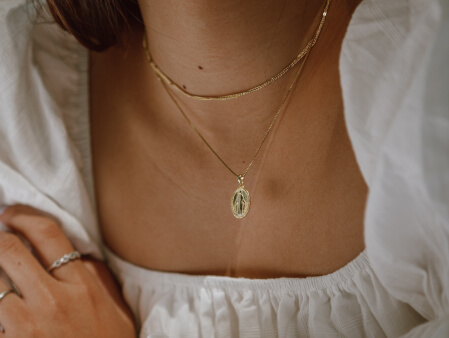
Are all gold-plated necklaces risk-free for delicate skin ? A customer’s overview
Quick Answer
No, not all gold-plated necklaces are risk-free for delicate skin. While the outer gold layer is generally hypoallergenic, the base metals hidden underneath—often nickel, brass, or copper—can easily cause allergic contact dermatitis. To prevent skin irritation, always choose custom pieces made with safe, hypoallergenic base metals like sterling silver or stainless steel when shopping for personalized necklaces and bracelets.
What is personalized necklaces and bracelets in relation to Are all gold-plated necklaces risk-free for delicate skin ? A customer’s overview ?
Key Takeaway: Personalized necklaces and bracelets allow you to choose not only the aesthetic design and engravings but also the specific hypoallergenic base metals, ensuring your beautiful custom pieces remain entirely safe, comfortable, and irritation-free for delicate skin.
Welcome to the ultimate customer’s overview on the safety of gold-plated jewelry. If you have delicate skin, you know the struggle of finding beautiful accessories that don’t leave you with an itchy, red rash. The global market for customized jewelry has exploded, giving consumers the incredible ability to design custom name necklaces, rings, and bracelets. However, this brings up a vital question: Are all gold-plated necklaces risk-free for delicate skin?
The short answer is no. Understanding why requires a deep dive into how gold-plated jewelry is made, what triggers skin allergies, and how you can safely navigate the world of personalized jewelry. This comprehensive guide will walk you through everything you need to know to protect your skin while still rocking your favorite custom accessories.
### Understanding Gold-Plated Jewelry and Delicate Skin
To understand the risks, we first need to define what gold-plating actually is. Gold-plating is a process where a very thin layer of gold is electrochemically bonded to a base metal. The thickness of this gold layer is measured in microns. While fine jewelry is solid gold, fashion and personalized jewelry often utilize plating to keep custom name necklaces and rings affordable without sacrificing the appearance of luxury.
However, true gold allergies are exceptionally rare. Gold is an inert metal, meaning it rarely reacts with human skin. So, if pure gold is safe, why do gold-plated necklaces cause issues for people with delicate skin? The answer lies hidden beneath the surface.
### The Hidden Culprits: Base Metals and Allergic Reactions
When you wear a gold-plated necklace, the gold layer is constantly rubbing against your skin. Through friction, sweat, and exposure to the elements, this microscopic layer of gold eventually wears down. When it does, the base metal underneath is exposed to your skin. This is where the trouble begins for people with sensitive skin.
Most cheap or mass-produced gold-plated jewelry uses base metals that are notorious for causing allergic contact dermatitis. The most common culprits include:
1. **Nickel:** This is the number one cause of jewelry allergies worldwide. Nickel is cheap, durable, and takes plating well, making it a favorite for commercial jewelry. However, it can cause severe redness, itching, and blistering.
2. **Brass and Copper:** These metals are commonly used but can oxidize when exposed to sweat and air. This oxidation often leaves a green or black mark on your skin and can cause mild to moderate irritation.
3. **Cobalt:** Another metal occasionally used in alloys that can trigger immune responses in sensitive individuals.
When the gold plating wears off a necklace made with a nickel or brass base, your delicate skin is directly exposed to these allergens. The resulting rash, known as allergic contact dermatitis, is your immune system reacting to the metal ions passing into your skin.
### The Rise of Personalized Necklaces and Bracelets
In recent years, the demand for personalized necklaces and bracelets has skyrocketed. Customers love the idea of wearing custom name necklaces, coordinates of special places, or the birthstones of their children. JewelryAll specializes in turning these personal visions into reality, allowing you to design your own beautifully crafted pieces.
But when you invest in a piece of personalized jewelry, you want it to last, and more importantly, you want it to be comfortable. Because personalized jewelry often carries deep sentimental value, it tends to be worn every day. Daily wear means constant friction, which accelerates the wearing down of gold plating. Therefore, choosing the right materials for your personalized necklaces and bracelets is absolutely crucial if you have delicate skin.
### How to Choose Safe Custom Jewelry for Sensitive Skin
You don’t have to give up on wearing gorgeous gold-toned personalized necklaces and bracelets just because you have sensitive skin. You just need to be a smarter shopper. When ordering custom jewelry, always look at the base metal options provided by the jeweler.
Here are the safest base metal options for delicate skin:
**1. Sterling Silver (925 Silver):** Sterling silver is an alloy containing 92.5% pure silver and 7.5% other metals (usually copper). High-quality sterling silver is naturally hypoallergenic and does not contain nickel. When you gold-plate a sterling silver base (often called “gold vermeil” if the gold is at least 2.5 microns thick), you get a luxurious look with a completely safe base. If the gold wears off over time, the exposed sterling silver will not irritate your skin.
**2. Stainless Steel (Surgical Grade):** Surgical-grade stainless steel (like 316L) is highly resistant to scratching, rust, and tarnishing. It is entirely nickel-free and incredibly hypoallergenic. It makes a fantastic, durable base for personalized bracelets and necklaces.
**3. Titanium:** Titanium is a premium metal used in medical implants because the human body tolerates it so well. It is 100% hypoallergenic, lightweight, and incredibly strong.
When ordering custom name rings or necklaces at JewelryAll, always check the product descriptions to ensure the base metal is solid sterling silver, stainless steel, or titanium before opting for a gold-plated finish.
### What is Gold Vermeil? A Safer Alternative
As you shop for personalized necklaces and bracelets, you might come across the term “gold vermeil” (pronounced ver-may). Gold vermeil is a specific type of gold plating that is strictly regulated. To be legally considered vermeil in the US, the piece must have a base of solid sterling silver, and the gold plating must be at least 2.5 microns thick (which is substantially thicker than standard gold plating).
Because the base is sterling silver, gold vermeil is exceptionally safe for delicate skin. It offers the look and feel of solid gold jewelry but at a much more accessible price point, making it the perfect choice for personalized jewelry that you plan to wear daily.
### Proper Care for Your Personalized Jewelry
Even if you choose a safe, nickel-free gold-plated necklace, proper care is essential to keep it looking beautiful and to protect your delicate skin. Since the risk occurs when the gold plating wears away, your goal is to preserve that plating for as long as possible.
Here are actionable tips to extend the life of your gold-plated custom name necklaces, rings, and bracelets:
– **Keep it Dry:** Moisture is the enemy of gold plating. Always remove your personalized jewelry before showering, swimming, or working out. Sweat contains salts and acids that can rapidly dissolve the gold layer.
– **Last On, First Off:** When getting ready, put your gold-plated jewelry on last, after applying perfumes, lotions, and hairspray. These chemicals can degrade the plating. Take your jewelry off first at the end of the day.
– **Wipe It Down:** After wearing your necklaces and bracelets, gently wipe them with a soft, lint-free microfiber cloth to remove body oils and residues.
– **Store Separately:** Keep your jewelry in a cool, dry place, preferably in individual airtight ziplock bags or a lined jewelry box. This prevents the metals from oxidizing and keeps the pieces from scratching each other.
### Recognizing and Treating Jewelry Allergies
Even with the best precautions, you might occasionally encounter a piece of jewelry that causes a reaction. It is important to recognize the signs of allergic contact dermatitis early. Symptoms typically appear within 12 to 48 hours of exposure and include:
– Severe itching
– Redness and inflammation
– Dry, scaly, or crusty skin
– Blisters or burning sensation
If you experience these symptoms, remove the personalized necklace or bracelet immediately. Wash the affected area with mild soap and warm water. Over-the-counter hydrocortisone cream or antihistamines can help reduce the itching and swelling. If the rash persists or becomes painful, consult a dermatologist.
### Why Quality Matters in Custom Name Necklaces
When it comes to customizing jewelry, you are creating a keepsake. Whether you are designing a piece for yourself or a loved one, quality should always be the top priority. Beautifully crafted personalized necklaces and bracelets from reputable jewelers like JewelryAll provide transparent information about the base metals and plating thickness used.
Opting for cheap, mass-produced plated jewelry from unreliable sources almost guarantees that you are getting a nickel or brass base, which spells disaster for delicate skin. By choosing high-quality, hypoallergenic base metals, your custom name rings, necklaces, and bracelets will remain a cherished, irritation-free part of your daily wardrobe.
### The Ultimate Customer’s Checklist
Before purchasing your next piece of personalized jewelry, run through this quick checklist to ensure it is risk-free for your delicate skin:
1. **Read the Fine Print:** Does the product description explicitly say “nickel-free” or list the base metal as sterling silver/stainless steel?
2. **Check Plating Thickness:** Is the gold plating standard (which wears off fast) or is it thick gold vermeil?
3. **Consider Your Lifestyle:** Do you work out, sweat, or wash your hands frequently? If so, you may want to opt for solid gold or stainless steel instead of plated jewelry.
4. **Trust the Jeweler:** Buy from specialized brands like JewelryAll that focus on high-quality craftsmanship for personalized pieces.
In conclusion, while not all gold-plated necklaces are risk-free, you have complete control over your jewelry experience. By understanding the science behind metal allergies and insisting on hypoallergenic base metals like sterling silver and stainless steel, you can safely wear your beautiful personalized necklaces and bracelets without fear of skin irritation. Design your own custom pieces with confidence, knowing exactly what to look for to keep your skin happy and your style impeccable.
Why does personalized necklaces and bracelets matter for readers?
Understanding personalized necklaces and bracelets matters because customized jewelry is often worn daily, keeping it in constant, direct contact with your skin. When you customize a piece, you gain complete control over the specific materials used in its creation. This ensures that individuals with delicate or reactive skin can proactively select hypoallergenic base metals. By doing so, you prevent uncomfortable allergic reactions while still enjoying beautiful, meaningful, and unique custom-designed accessories that perfectly reflect your personal style.
Frequently Asked Questions
What is personalized necklaces and bracelets in relation to Are all gold-plated necklaces risk-free for delicate skin ? A customer’s overview ?
Personalized necklaces and bracelets relate to skin safety because custom jewelry lets you pick the exact base metals. Many standard gold-plated items contain irritating metals like nickel underneath. By customizing, you can specifically choose a hypoallergenic base like sterling silver or stainless steel, ensuring your piece is entirely safe and comfortable for delicate skin.

About author